Published
Feb 8, 2026
Author
Onur Sakarya
The Interface as a Brand: Where UX Meets Identity
The Interface as a Brand: Where UX Meets Identity
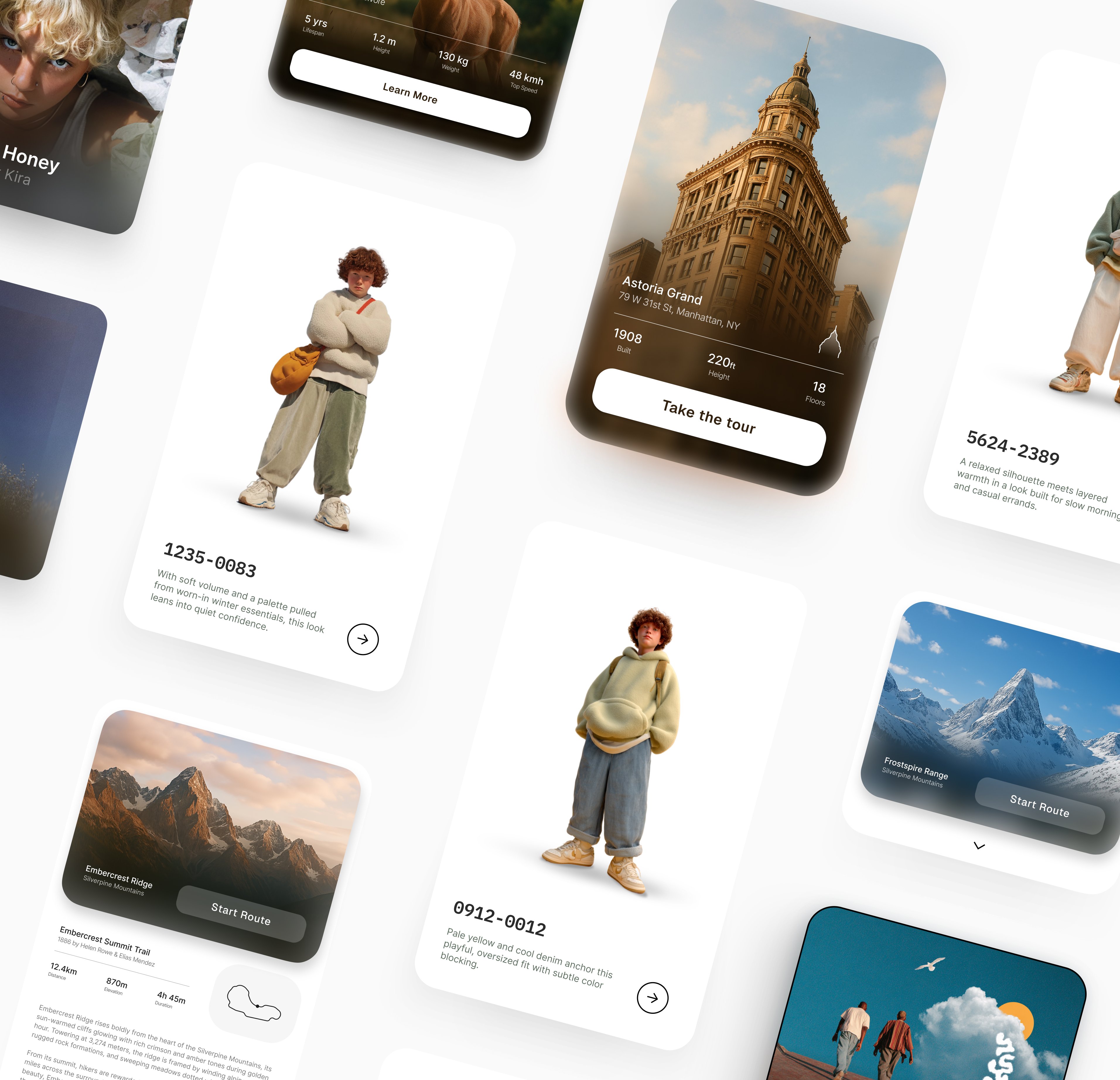
For years, branding and interface design were treated as separate disciplines—one focused on perception, the other on function. Today, that separation no longer exists. The interface itself has become the brand.
Users rarely experience a brand through static assets alone. Instead, they interact with it—through websites, apps, dashboards, and digital touchpoints that shape perception in real time. Every scroll, click, transition, and micro-interaction contributes to how a brand is understood and remembered.
This shift requires a rethinking of design systems. A brand is no longer defined solely by its logo, color palette, or typography. It is defined by behavior—how it responds, how it moves, how it communicates. Motion design, interaction patterns, and even loading states become part of the brand language.
Consistency is critical, but so is flexibility. Modern brands operate across multiple platforms and contexts, requiring systems that can adapt without losing coherence. This is where UX and UI design intersect with brand strategy, creating unified experiences that feel both functional and expressive.
At its best, an interface becomes invisible—not because it lacks personality, but because it feels natural and intuitive. Users do not consciously analyze it; they simply trust it.
At OS Studio, we design interfaces as living brand systems—where identity is not just seen, but experienced. Because in the digital age, the strongest brands are not the loudest ones, but the ones that feel effortless.
For years, branding and interface design were treated as separate disciplines—one focused on perception, the other on function. Today, that separation no longer exists. The interface itself has become the brand.
Users rarely experience a brand through static assets alone. Instead, they interact with it—through websites, apps, dashboards, and digital touchpoints that shape perception in real time. Every scroll, click, transition, and micro-interaction contributes to how a brand is understood and remembered.
This shift requires a rethinking of design systems. A brand is no longer defined solely by its logo, color palette, or typography. It is defined by behavior—how it responds, how it moves, how it communicates. Motion design, interaction patterns, and even loading states become part of the brand language.
Consistency is critical, but so is flexibility. Modern brands operate across multiple platforms and contexts, requiring systems that can adapt without losing coherence. This is where UX and UI design intersect with brand strategy, creating unified experiences that feel both functional and expressive.
At its best, an interface becomes invisible—not because it lacks personality, but because it feels natural and intuitive. Users do not consciously analyze it; they simply trust it.
At OS Studio, we design interfaces as living brand systems—where identity is not just seen, but experienced. Because in the digital age, the strongest brands are not the loudest ones, but the ones that feel effortless.